Founding and Vision (1991–2011)
2ingis was founded in 1991 in Brussels, Belgium. The company was the brainchild of Philippe De Moyer, who serves as the CEO and lead inventor. Philippe De Moyer brought nearly 40 years of experience in the dental sector to the company, with 27 of those years specifically dedicated to the "art of the implant." His goal was to address the inherent flaws of traditional "free-hand" dental surgery, such as:
Invasiveness: Reducing the need for large incisions (flaps).
Contamination: Preventing resin or metal debris from entering the surgical site.
Inaccuracy: Eliminating the risk of hitting nerves or arteries during drilling.
Technological Advancement (2015)
The history of 2INGIS® is defined by several key patented innovations that set it apart from standard 3D-printed resin guides:
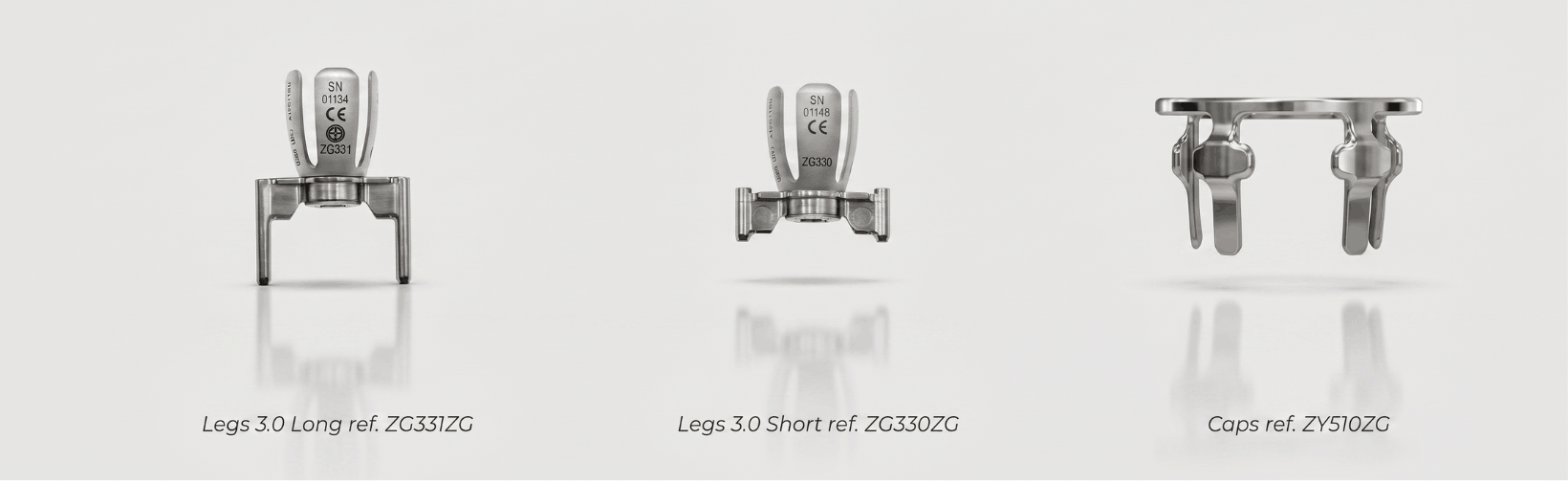
1. The Double-Guide System: Unlike traditional guides that use a single tube, the 2ingis system uses a bilateral guidance mechanism. This "open view" design allows for better visibility and, crucially, allows water to reach the drill bit to prevent bone overheating.
2. Clean-Implant Certification: 2INGIS® developed guides that do not come into direct contact with the drill bits. This prevents "abrasion contamination," where the drill scrapes plastic or metal shards into the patient’s jaw.
3. Digital Integration: The company moved into the digital age by developing 2INGIS® Planning, a software suite that integrates DICOM (X-ray) and STL (3D scan) data to map out a patient’s unique anatomy before a single cut is made.
Adoption by Dental Professionals (2019)
By 2019, 2INGIS® transitioned from innovator to a recognized international provider of guided surgery solutions. Dental Professional adoption was driven by the solutions "open" philosophy and clinical versatility.
1. The Compatibility: Primary reasons for the 2019 surge in adoption was that 2INGIS®offered a Universal System. Most competitors (such as Straumann or Nobel Biocare) required dentists to use their specific brand of implants and expensive, proprietary "guided kits."
2. Solving the "Closed-Guide Problem": Many surgeons struggled with traditional tube-style resin guides that blocked visibility and irrigation. The 2INGIS design allows water to reach the bone during drilling, preventing "bone necrosis" (overheating), a major risk in implant surgery. Further the "Open View" design allowed them to see the surgical site clearly over "blind" drilling by older solid-sleeve guides.
3. Expansion into European Markets: By 2019 2ingis had established a strong network of "Opinion Leaders" citing the system's precision in "critical areas" where nerves or arteries were close to the implant site and the solution became essential for "minimally invasive" (flapless) procedures, which reduced patient pain and swelling.
4. Workflow Integration: By this time, 2ingis had refined its Full Digital Workflow.
Recognition as leader in Open Frame surgery (2023)
For 2ingis, 2023 was a pivotal year, shifting from manufacturer to a globally recognized leader in "Open Frame" dental surgery. Prior years were focused on perfecting the surgical guide, 2023 was defined by regulatory compliance, international visibility, and academic validation. In a year where Smart Dentistry and Sustainability were the themes 2INGIS stood out by promoting their reusable metal guides.
1. MDR Compliance and Regulatory Safety: In May 2023, critical documentation was finalized to ensure the company’s compliance with Regulation (EU) 2017/745 (MDR).documentation signed on off the their reusable metal guides. The certification confirmed that their "Legs 4.0" design met the highest clinical safety standards, proving that their unconventional "open structure" was as safe as (or safer than) traditional closed-sleeve systems.
2. Expansion of 2INGIS Planning: Throughout 2023, the company has strengthen collaboration with Swissmeda® (SMOP) to refine its surgical planning software. Full Digital Integration by significant improvement for merging DICOM (X-ray) and STL (3D scan) data.
2ingis is defined by several key patented innovations that set it apart from standard 3D-printed resin guides:
1. The Double-Guide System: Unlike traditional guides that use a single tube, the 2ingis system uses a bilateral guidance mechanism. This "open view" design allows for better visibility and, crucially, allows water to reach the drill bit to prevent bone overheating.
2. Clean-Implant Certification: 2ingis developed guides that do not come into direct contact with the drill bits. This prevents "abrasion contamination," where the drill scrapes plastic or metal shards into the patient’s jaw.
3. Digital Integration: The company moved into the digital age by developing 2INGIS® Planning, a software suite that integrates DICOM (X-ray) and STL (3D scan) data to map out a patient’s unique anatomy before a single cut is made.